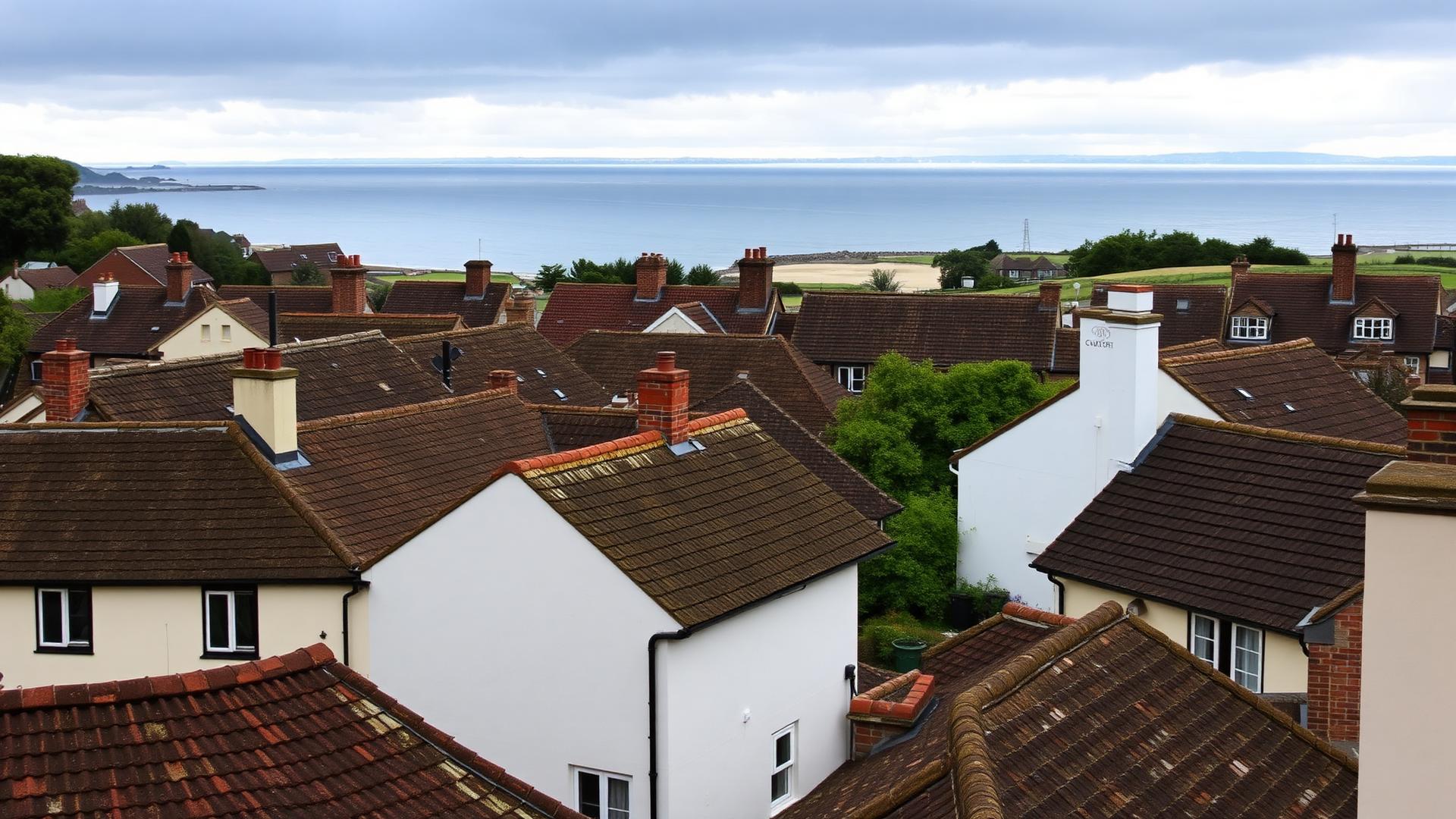
An ageing porous concrete trough built into the wall head can develop leaks, while its construction can also contribute to cold bridging at the wall head. Damp inside depends on the condition of the gutter, wall and surrounding roof details.
What the symptoms look like
Damp along the top of upstairs walls, cold to the touch in a strip below the ceiling, mould that returns in the same corners every winter, and paint or wallpaper lifting in a band at high level. Often there's no roof leak at all — the roof's fine and the wall head is the actual problem.
Two faults, one block
- Water absorption: porous concrete and moving joints carry rainwater through to the inner leaf of the wall
- Cold bridging: the block runs from outside to inside, chilling the internal surface so household moisture condenses on it
Why we recommend removal over lining in this climate
Lining is a reasonable, cheaper option and it does stop the immediate leak. But it leaves the cold bridge entirely untouched, and in a humid county the condensation half of the problem is often the half causing the mould.
Removal deals with both at once — and once the concrete's gone, the wall head can be properly insulated.
What replacement involves
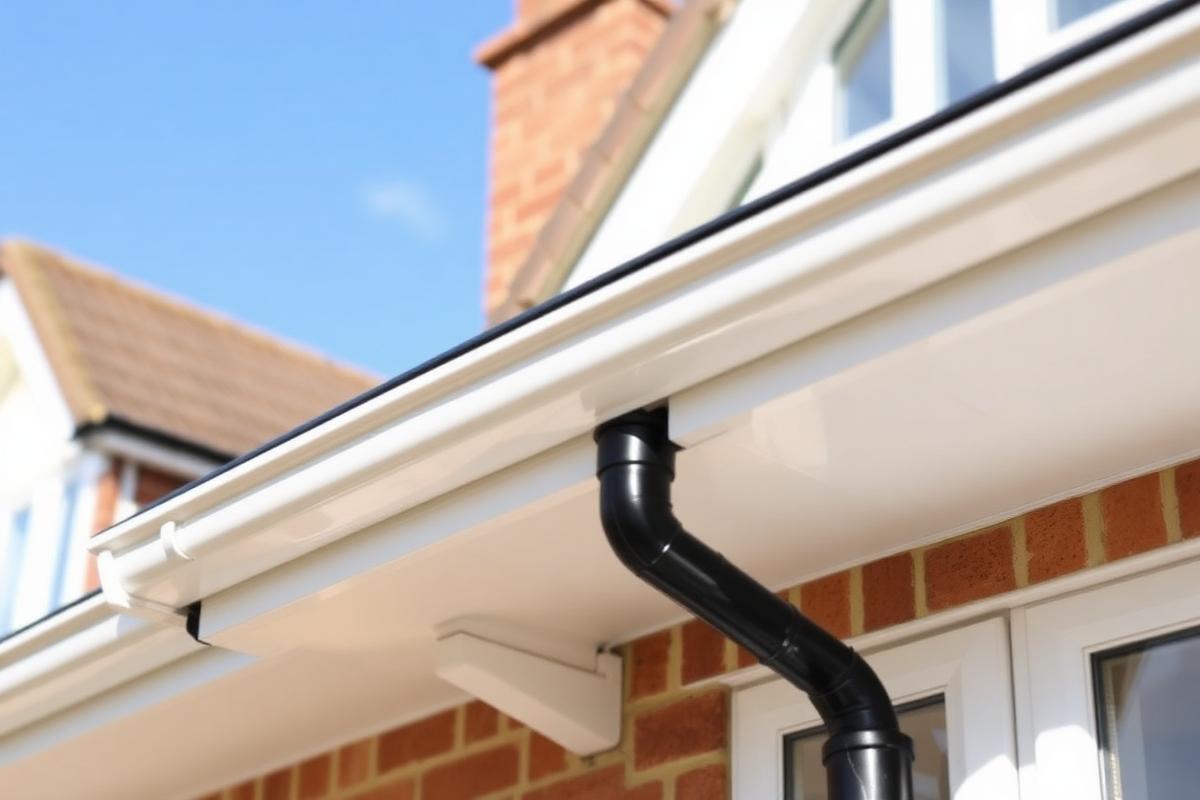
Scaffold to the elevation, cut out and remove the concrete blocks, rebuild the eaves in timber, insulate the wall head, make good the roof edge and underlay, then fit new fascia, soffit and a correctly falled gutter and downpipe system.
It's worth combining with any other roofline or re-roofing work, because the scaffold and eaves access are the same.
Common questions
What homeowners in Somerset usually want to know about finlock concrete gutter removal.
Ask us anything