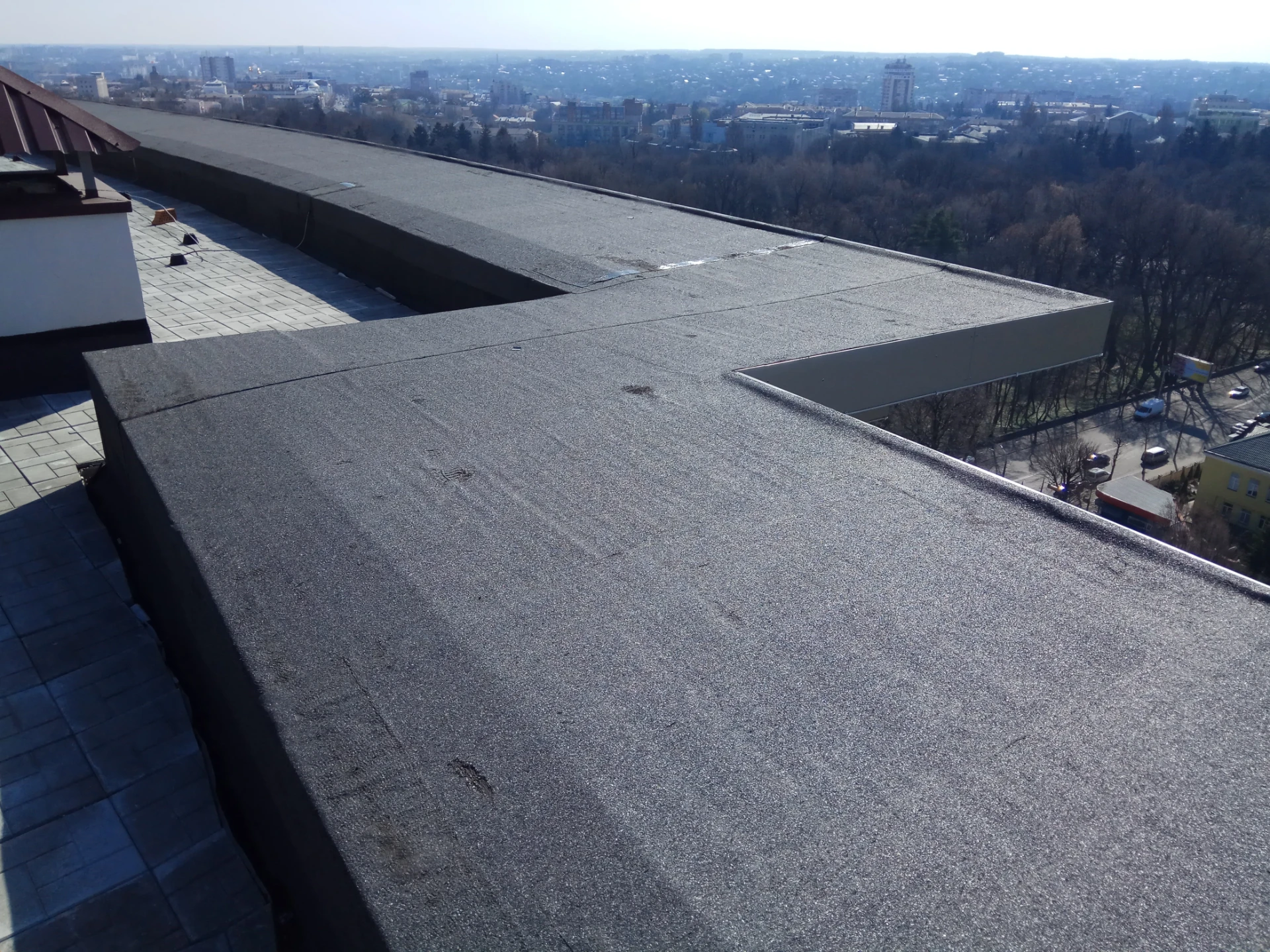
We replace and repair flat roofs right across the county, and we deal with the deck, the falls and the outlets, not just the waterproof layer on top.
Rain volume, not just rainfall
It's intensity that overwhelms a flat roof. A modest downpour on a large or shallow-falled roof produces more water per minute than an undersized outlet can cope with, so the level rises above an upstand or a poorly formed detail and finds its way in.
So we size and site outlets for the area they actually drain, form genuine falls to those outlets, and take upstands high enough that a temporary rise in water level doesn't matter.
Systems and where they fit
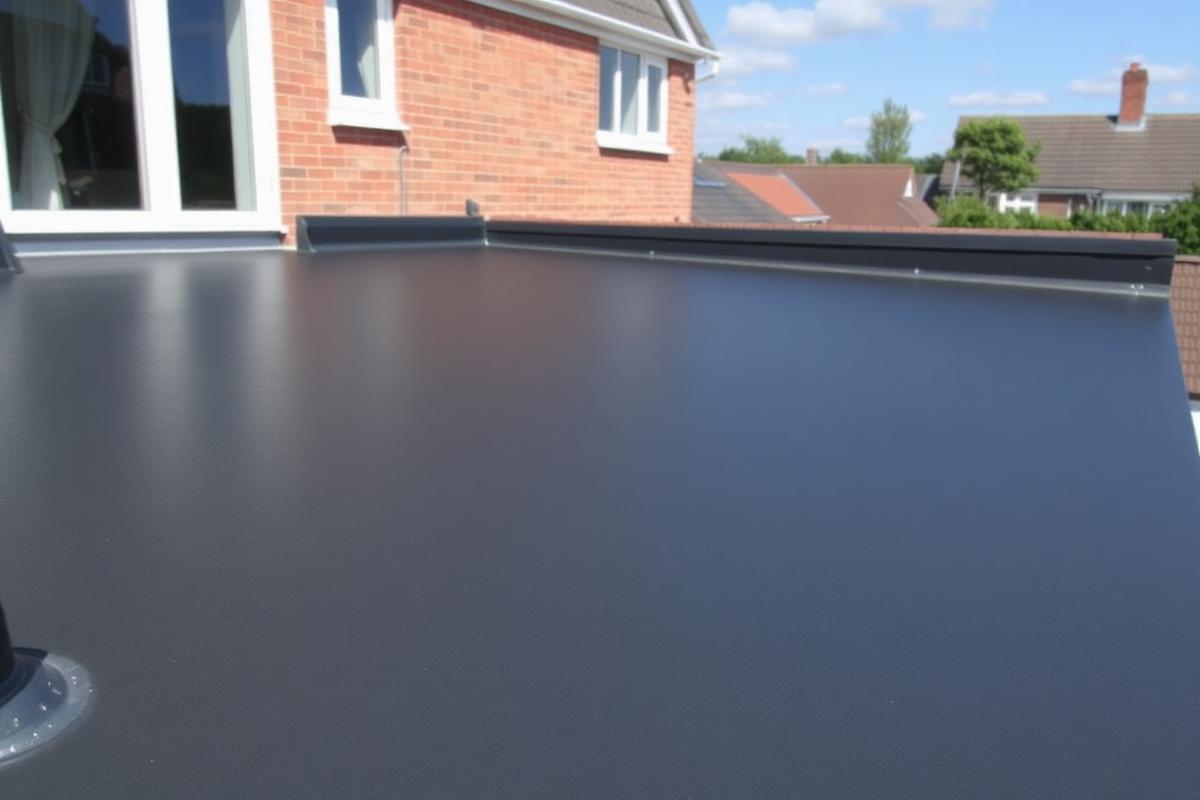
- EPDM — a single membrane with minimal joints, excellent on extensions, garages and outbuildings
- GRP fibreglass — hard-wearing and seamless, right for balconies and decks that get walked on
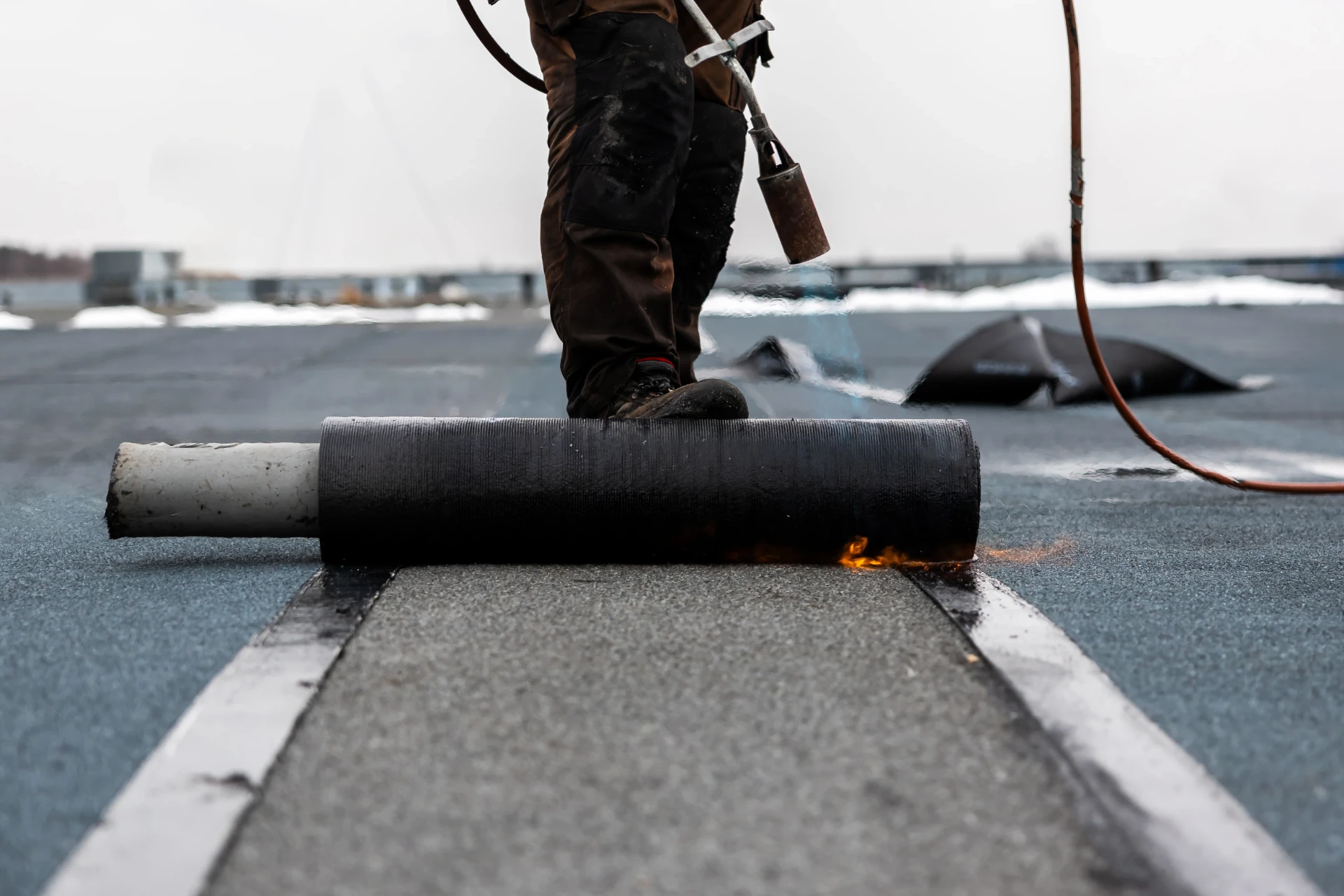
- Torch-on felt — reliable and economical over larger agricultural and outbuilding roofs
- Single-ply — light, mechanically fixed, useful on wide spans and lighter timber structures
Older flat roofs on rural buildings
Annexes, workshops and converted outbuildings often have decks that have been patched repeatedly over the decades. Before any new membrane goes on, the deck itself needs checking — soft chipboard, rotted joist ends and inadequate falls all have to be corrected, or the new roof simply inherits the old roof's faults.
Warm roof rebuilds
Where a cold deck's being replaced, rebuilding it as a warm roof — insulation over the deck, membrane above — removes the condensation risk that quietly rots joists in a humid climate. On a habitable extension it also makes a noticeable difference to comfort.