We strip, inspect, repair and re-cover pitched roofs across the county, and we'll set out exactly what you're getting before a single tile comes off.
Signs a Dorset roof has reached the end
- Repairs every winter, in different places each time
- Concrete tiles that have lost their surface and shed grit into the gutters
- Slate roofs where sound slates keep slipping — the fixings have corroded, not the slate
- Sagging between rafters, or battens that crumble when handled
- Bitumen felt at the eaves that has gone brittle and torn away from the fascia
- Daylight visible along a slope from inside the loft
What a full re-roof includes
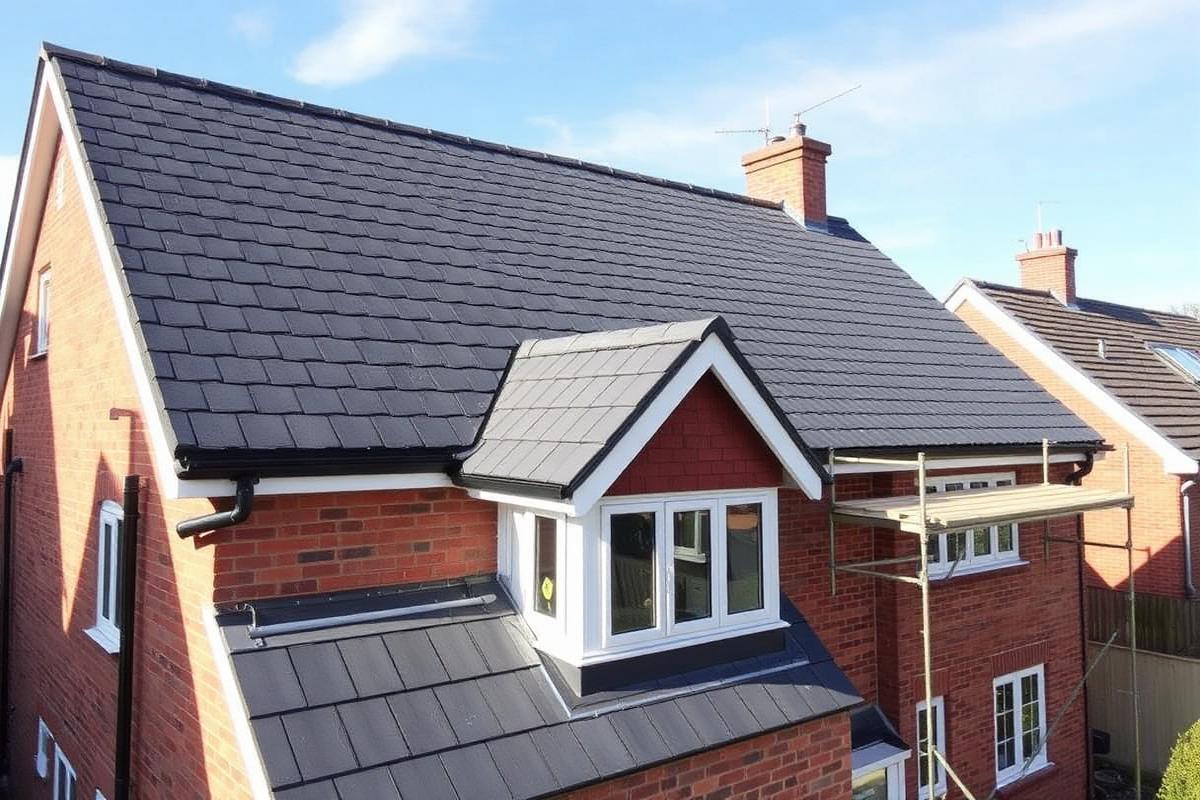
Scaffold and protection, stripping the existing covering, inspecting every rafter and purlin and replacing any defective timber, new treated battens, a breathable underlay, new or salvaged covering, and all the details renewed: valleys, flashings, verges, ridge, hip and eaves ventilation.
Stripping the old covering off is the only moment the structure is fully visible. Whatever we find, we photograph and show you before it all gets covered back up.
Choosing a covering for a Dorset property
Coastal and exposed sites
Near the coast we specify non-ferrous fixings throughout, mechanically fixed dry ridge and dry verge instead of mortar bedding, and we clip every perimeter tile. Mortar-only details on a seafront roof start causing trouble from the day they go in.
Period and conservation-area property
Where the roof is stone slate, natural slate or handmade clay and the building is listed or in a conservation area, the replacement usually needs to match in material, size and coursing. Reclaimed material and careful salvage of the existing covering are usually part of the answer.
Post-war estate housing
Interlocking concrete tiles are cost-effective and perfectly appropriate on 1950s-onwards housing. The real gains here come from what goes underneath — breathable membrane, proper eaves ventilation and a dry ridge — rather than an expensive covering.
Access, scaffolding and neighbours
Terraced streets in the older parts of Poole, Weymouth and Dorchester often need scaffold across a shared frontage or over a neighbour's boundary. We plan for that at survey stage and include it in the quotation rather than springing it on you halfway through.

Common questions
What homeowners in Dorset usually want to know about new roofs & re-roofing.
Ask us anything