We write the specification into the quotation so you can see what is holding the roof on, not just what it will look like.
Specified for severe exposure
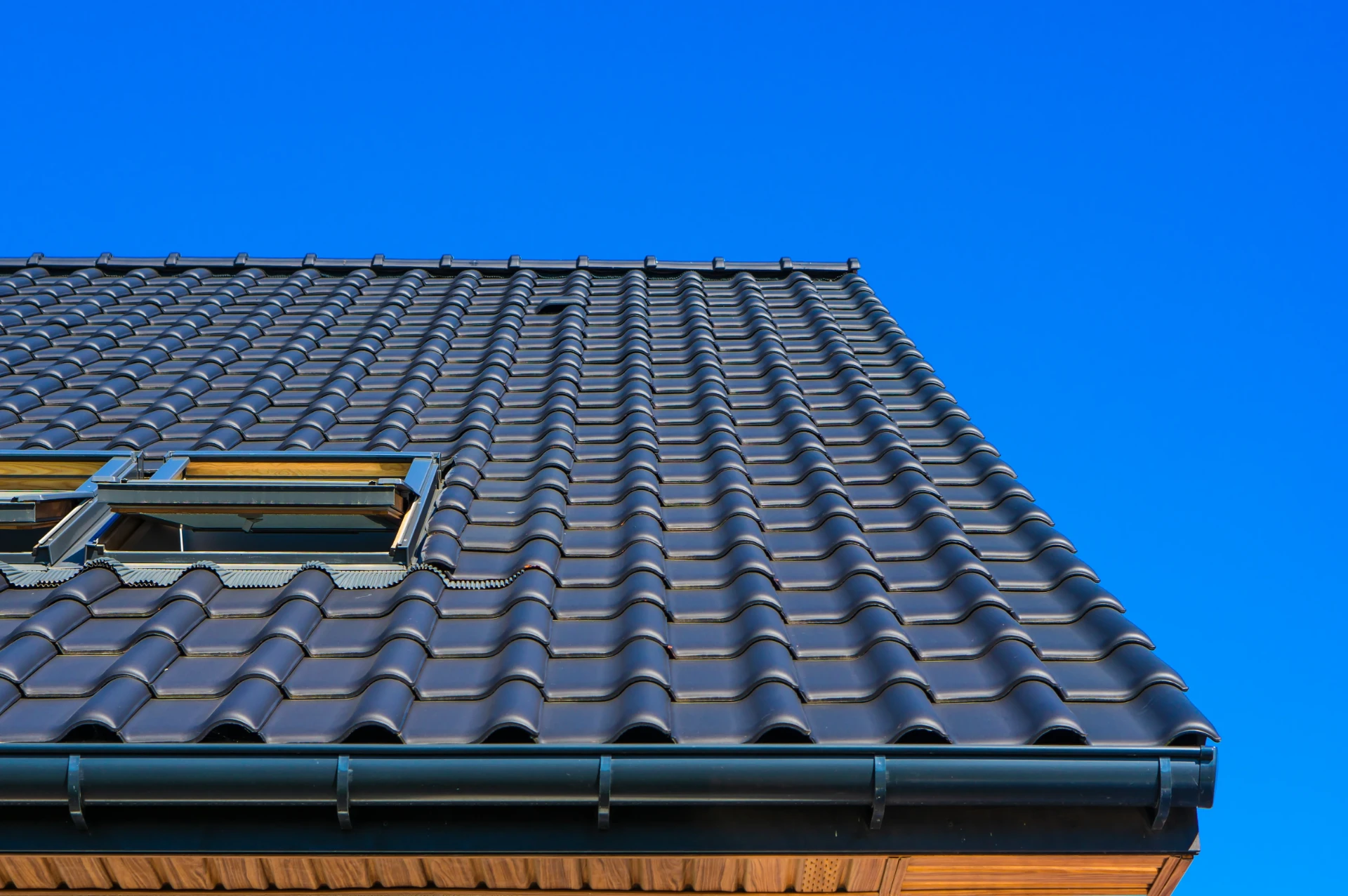
- Every tile or slate clipped or twice-nailed as the exposure zone requires
- Stainless steel and non-ferrous fixings throughout
- Mechanically fixed dry ridge, hip and verge systems in place of mortar
- Increased headlap on shallow and wind-facing slopes
- Heavy-duty breathable membrane, properly lapped and supported
- Leadwork to code, dressed and clipped so wind cannot get beneath it
Matching a Weymouth street
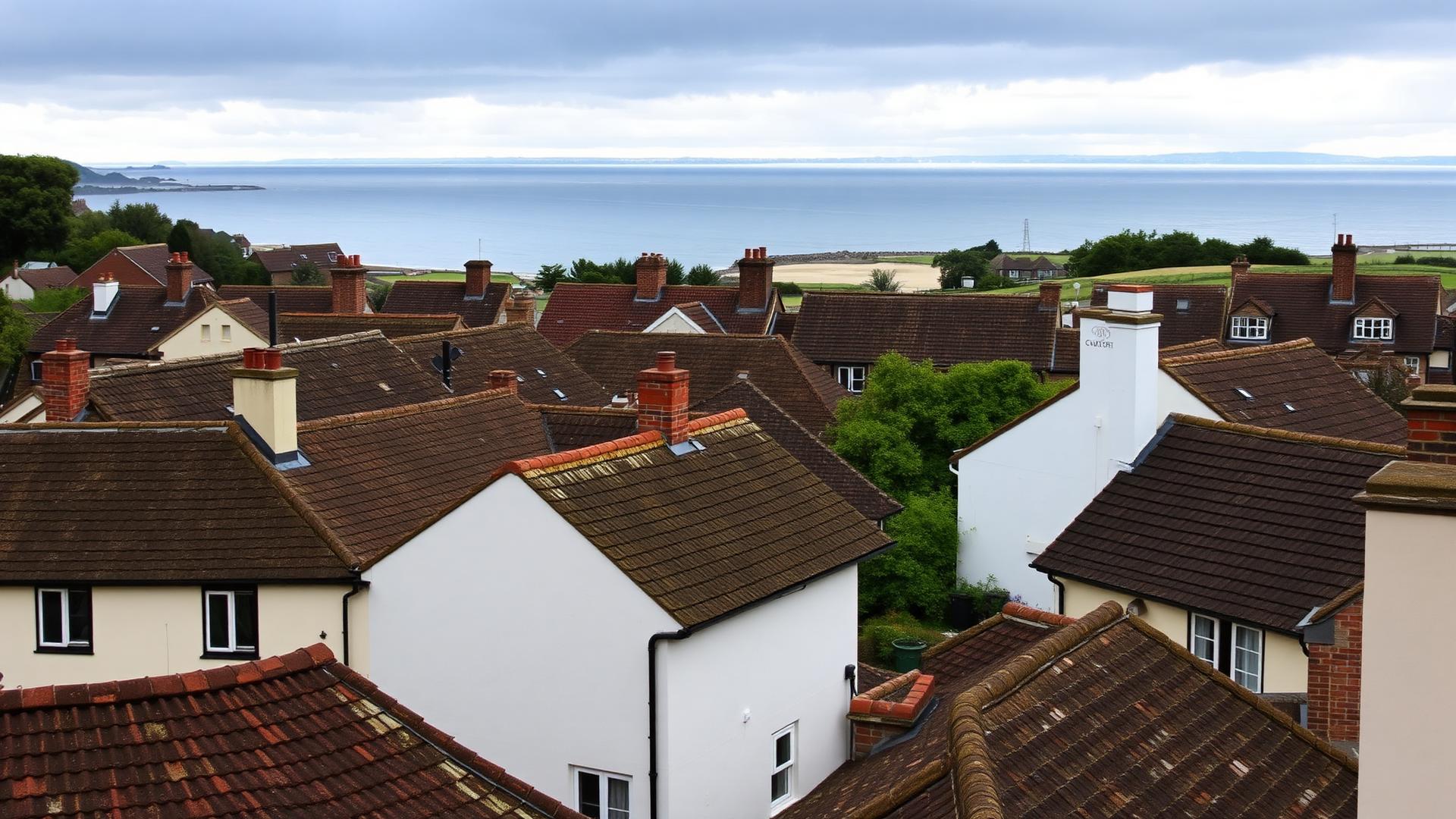
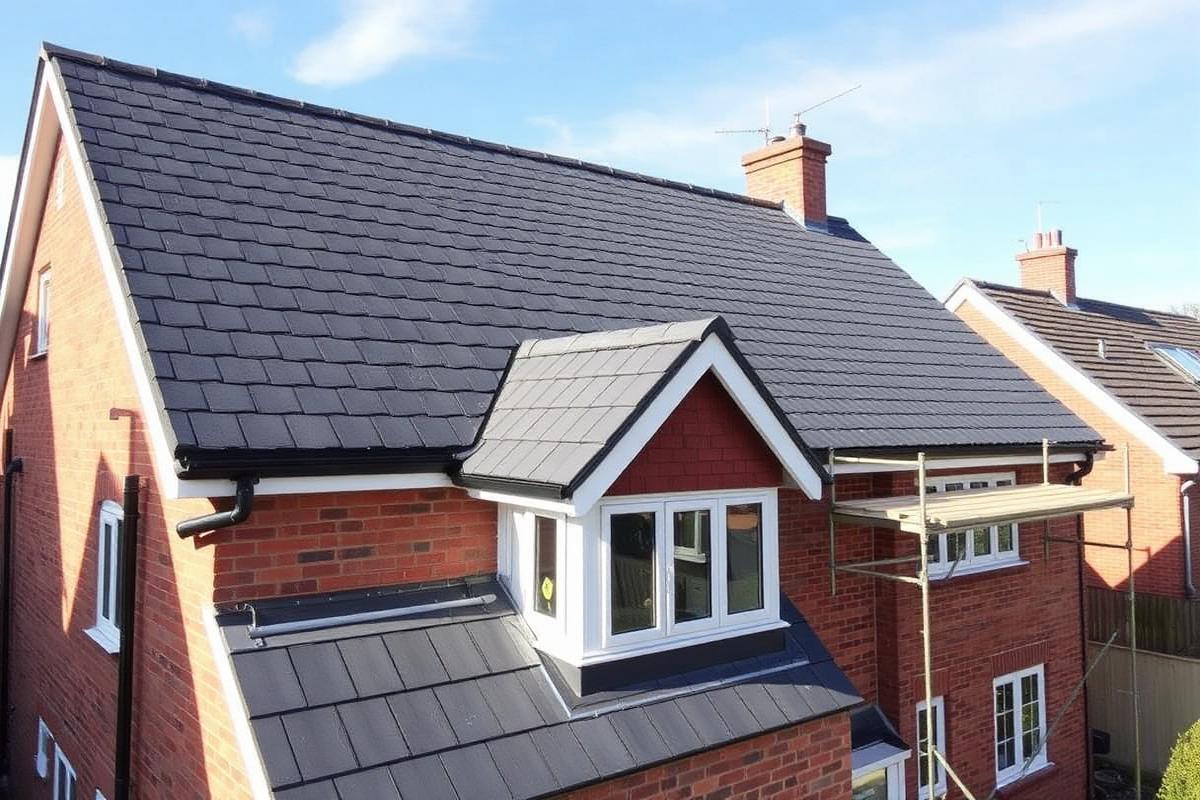
The Georgian and Victorian frontages around the harbour and the Esplanade sit in conservation areas, where the covering is part of the character of the street and consent may be required for a change. Natural slate remains the right answer on most of that stock.
Behind the town, on the interwar and post-war estates at Littlemoor, Westham and Preston, concrete or clay interlocking tiles are the sensible specification — provided they are fixed for the exposure rather than to the standard detail used inland.
What we find when the covering comes off
On coastal roofs the underside usually tells the real story: perished felt, rusted nails, decayed batten and softened rafter feet at the eaves where water has been running behind the gutter for years. We price for inspection and replacement of defective timber and tell you what we find with photographs, rather than treating extras as a surprise at the end.
Common questions
What homeowners in Weymouth usually want to know about new roofs & re-roofing.
Ask us anything