When you call about an emergency, the first objective is usually the same: limit water entry, remove anything unsafe and give you an honest picture of the permanent repair before you commit to anything.
Is this a roofing emergency?
If water is entering the building, part of the covering is open to the weather, or something above head height is loose over a pavement, driveway or moored boat, treat it as urgent. If you are not certain, describe what you can see over the phone and we will tell you plainly whether it needs someone tonight or can safely wait for daylight.
Water through the ceiling
An active drip, a spreading stain, or a damp patch that's getting bigger while you watch it.
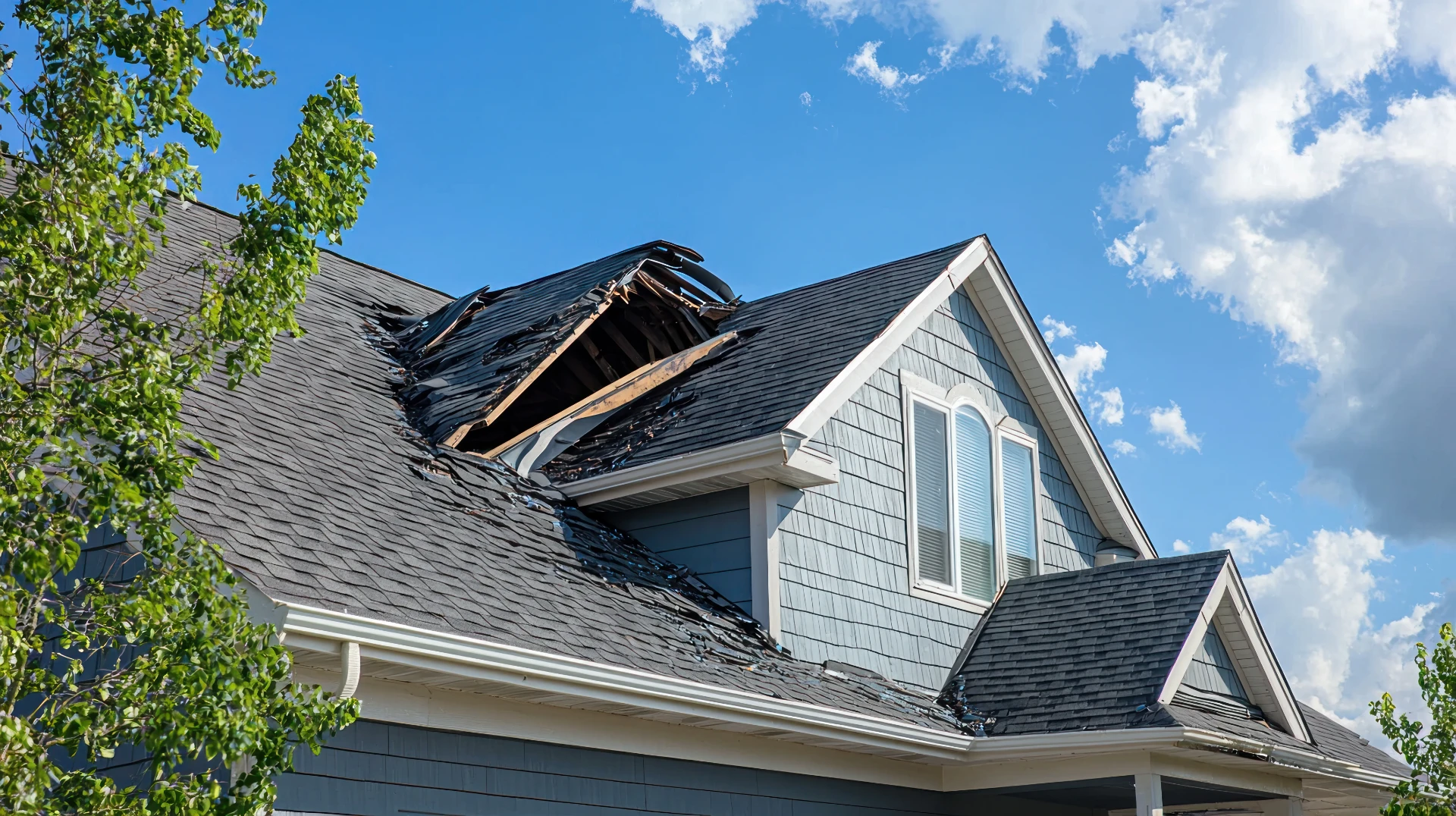
Tiles or ridge blown off
Slipped or missing tiles after wind, or broken pieces turning up in the garden.
A large area of roof exposed
Felt or boarding showing through where the covering has lifted off the slope.
Tree or branch impact
Usually a localised puncture, with broken battens and cracked tiles around it.
Loose chimney or masonry
A leaning stack, cracked haunching, or bits of pot and render coming down.
Sudden severe flat-roof leak
A split or ponded membrane letting water in faster than you can keep up with it.
What to do before we arrive
- Move people, pets and anything valuable out of the affected room
- Stay well clear of a sagging or bulging ceiling and do not stand under it
- Isolate the electrics to that part of the property if water is near a light fitting or socket
- Stay off the roof — an exposed Poole slope in wind is no place to be
What happens when you call
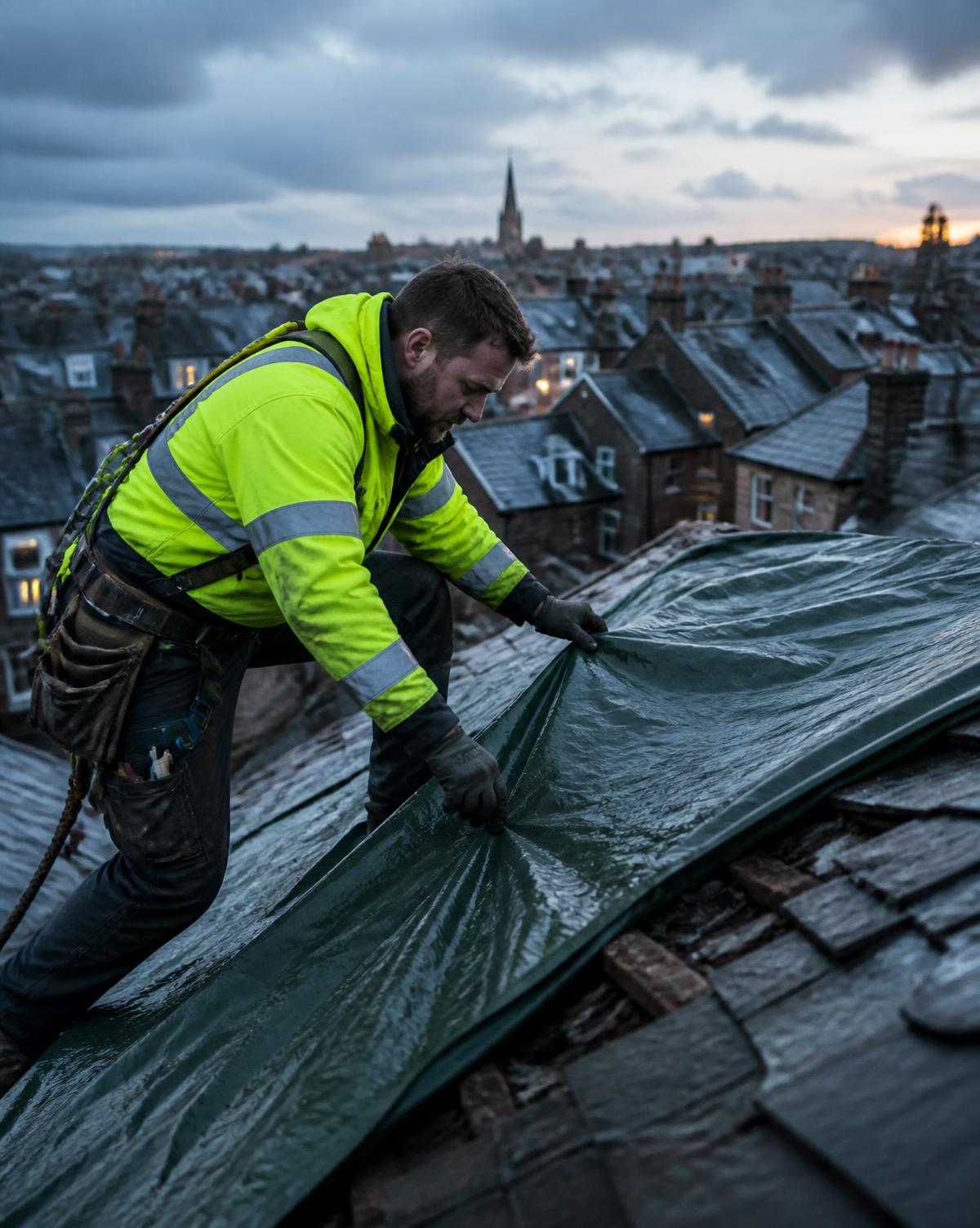
We establish what has failed, what is unsafe and whether water is still coming in. Loose material at height comes down or gets secured first, then the roof is closed with temporary covering that is battened and mechanically fixed rather than weighted — on a harbour-facing roof, a lighter fixing approach may not be suitable in exposed conditions.
You then get a written description of what failed and what the permanent repair needs, with no obligation to have us carry it out.
- 01
Tell us what has happened
One call, plain questions: what you can see, where the water's coming in, and how long it's been going on.
- 02
We assess the immediate risk
We work out whether anything's unsafe below the roof, and whether it can wait until daylight or needs us now.
- 03
Make-safe or emergency repair
Mechanically fixed sheeting, securing anything loose, or a targeted repair if conditions allow it.
- 04
Permanent repair where required
We'll explain in writing what lasting work is needed, quote it properly, and there's no obligation to use us.
Make safe now. Repair properly afterwards.
The two visits do different jobs. The make-safe stops the damage getting worse in the conditions of that night; the permanent repair puts the roof back into a state you can forget about, once the wind has dropped and the roof can be worked on safely.
Emergency make-safe
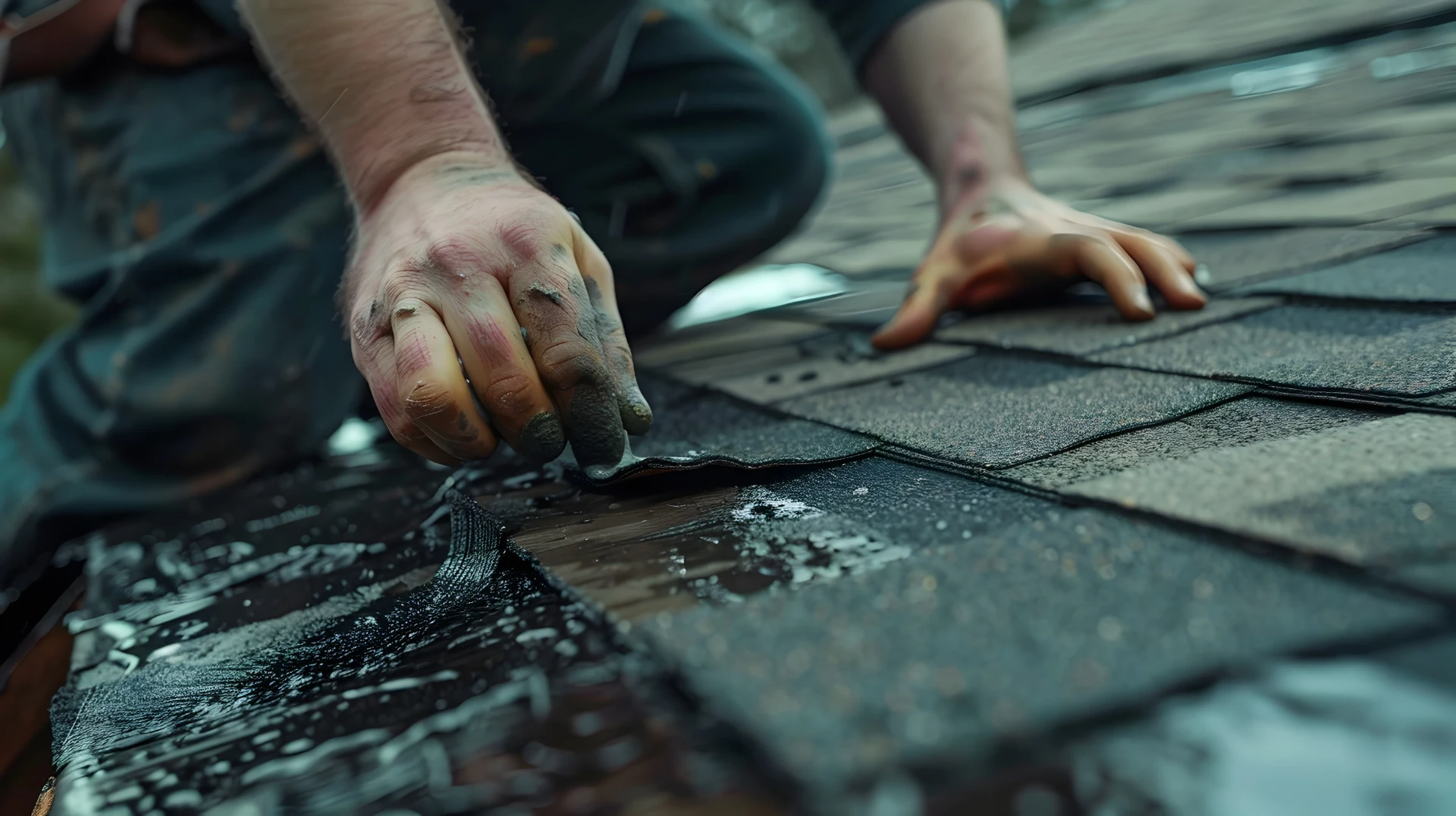
- Stop further ingress where it is possible to do so
- Secure dangerous elements — loose tiles, ridge, masonry
- Temporary weatherproofing, mechanically fixed
- Document the damage with dated photographs
Permanent repair
- Assess the underlying damage in daylight
- Replace failed materials and broken battens
- Repair roof structure and underlay where needed
- Complete a properly detailed weatherproof repair
Storm damage around Poole Harbour
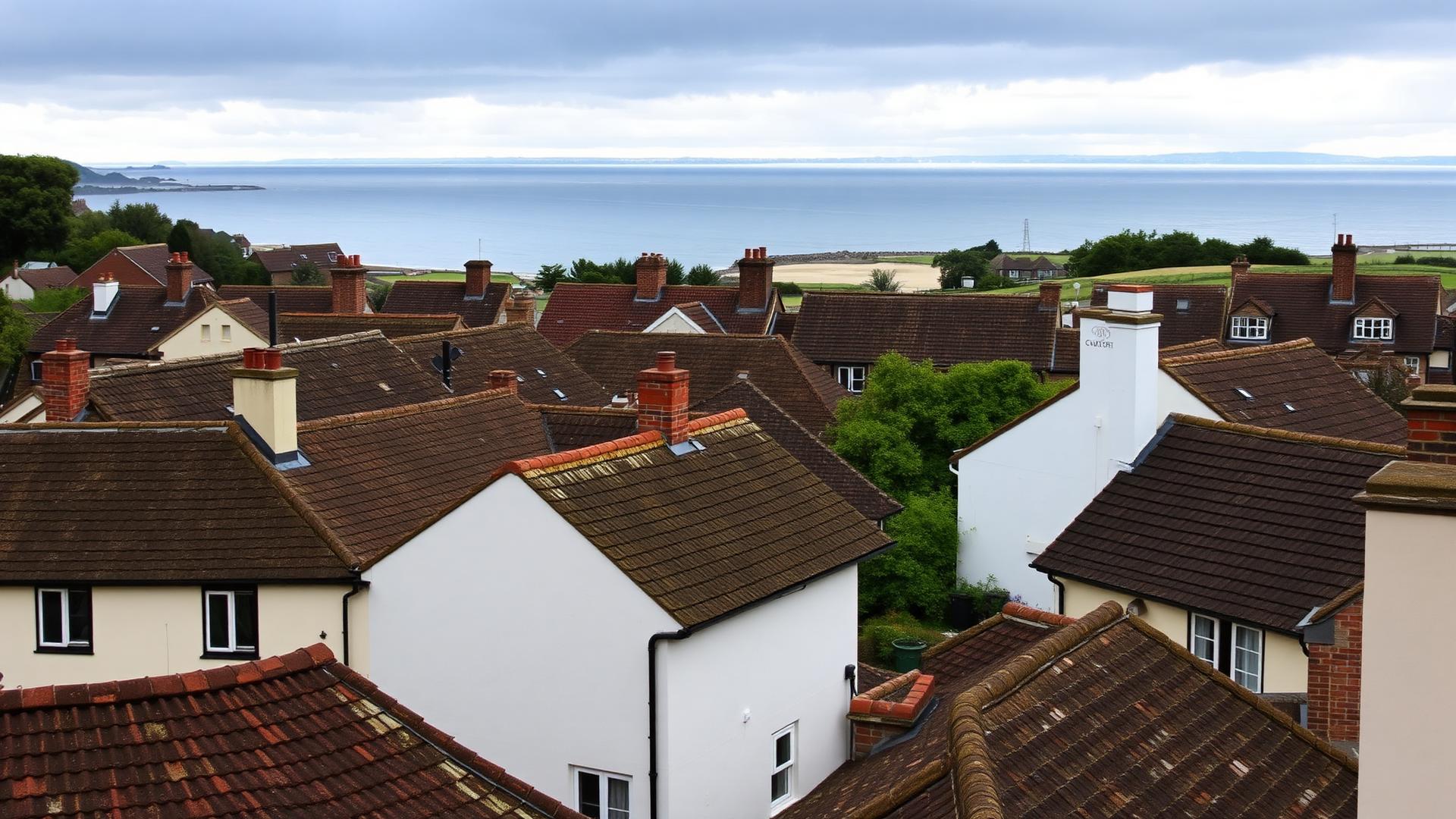
Exposure changes street by street here. Roofs at Sandbanks, Lilliput and Canford Cliffs take wind loading and salt spray that a sheltered Broadstone or Creekmoor roof never sees, and the failures reflect that: ridge and hip units lift first where salt air has already crumbled the mortar, then the windward verge unzips along the gable.
The other pattern we see repeatedly is edge failure on the flat roofs over garages, extensions and dormers around Parkstone and Oakdale — the wind gets under a lifted trim, and the membrane peels back from there.
- Ridge and hip tiles lifted where salt air had already cracked the mortar
- Verges stripped along the windward gable
- Flat roofs on garages and extensions peeled back at the edge trim
- Lead flashing lifted and folded away from abutments and stacks
- Water tracking into top-floor rooms of harbour-facing apartments
Documentation if you intend to make a claim
Photograph what you safely can, inside and out, as early as possible — it is far harder to evidence later. We photograph the damage before we touch anything and again once the roof is made safe, and provide a written description of the cause, the temporary work and the permanent repair required.
Whether any of it is paid for depends entirely on your own policy, its terms and your excess, so check with your insurer rather than assuming storm damage is covered. We provide the documentation either way.
Where we attend in Poole
We cover the whole of Poole and the immediate surrounding area for emergency work, subject to safe access and the conditions on the day.
- Poole Old Town, the Quay and Hamworthy (BH15)
- Sandbanks, Canford Cliffs and Lilliput (BH13)
- Parkstone, Lower Parkstone and Penn Hill (BH14)
- Branksome and Alderney (BH12)
- Creekmoor, Canford Heath and Broadstone (BH17, BH18)
- Upton, Lytchett Matravers and Hamworthy fringe (BH16)
Common questions
What homeowners in Poole usually want to know about emergency roof repairs.
Ask us anything