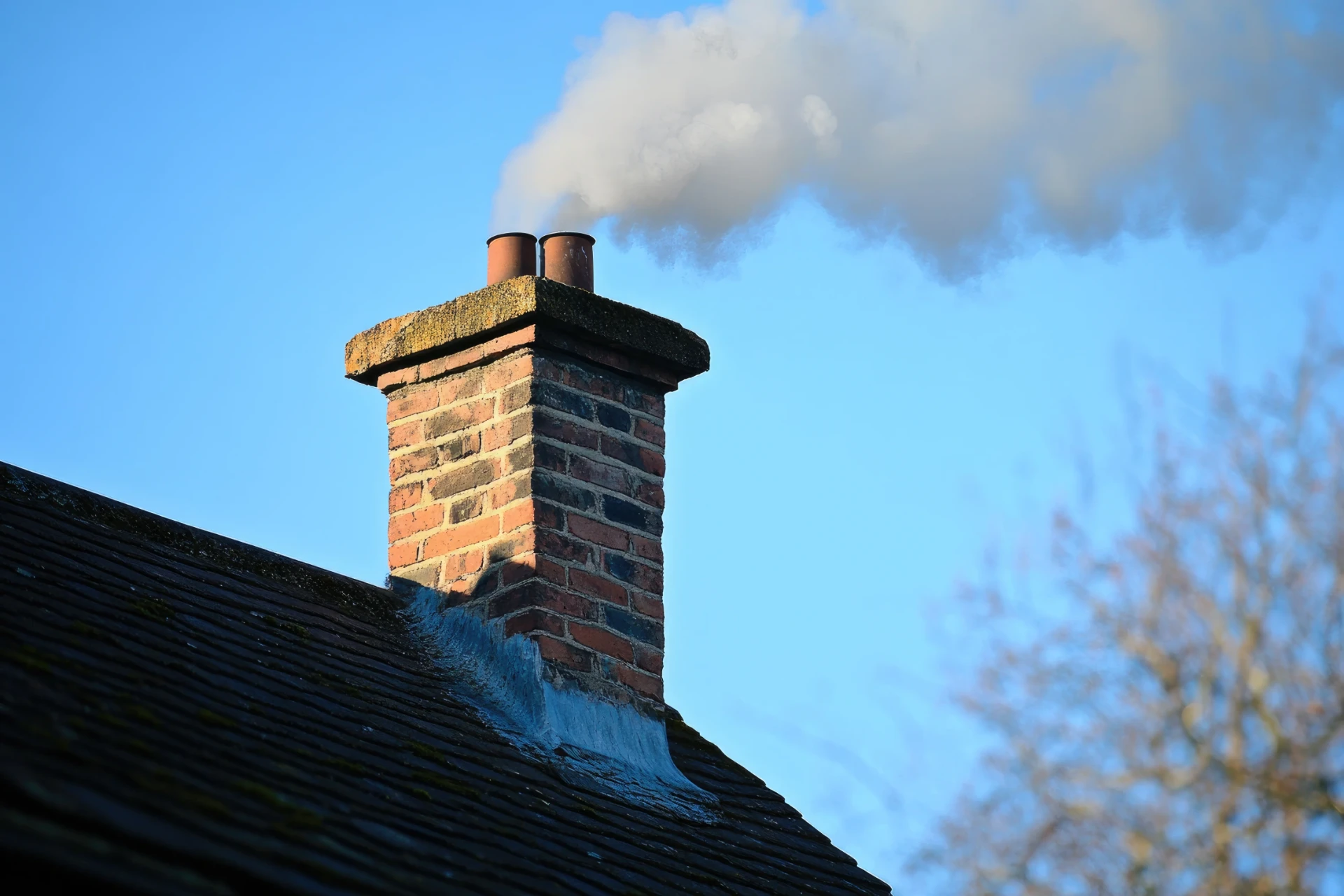
Removing one is part demolition, part structural work and part roofing — and it's the roofing at the end that decides whether it ever leaks again.
Signs a Bournemouth stack is finished
- Soft, missing or repeatedly patched pointing
- Cracked flaunching and pots that wobble when tested
- Recurring damp on the chimney breast in a let property
- Flashing lifted after storms and never properly relaid
- Spalling brick faces dropping debris into the gutter
- A flue that's sat redundant since the property was converted to flats or gas heating
Why the damp shows a floor below the leak
Water gets in at the pots, through failed flashing and down the open flue, then travels through the masonry before it shows itself. In converted properties that often means a leak at roof level turns up in a top-floor flat's living room.
- 1Driven rain gets in at the top of the stack
- 2Cracked flaunching around the pot
- 3Open pointing and spalled brickwork
- 4Water tracks down the flue
- 5Lead flashing — another failure point
- 6Staining shows on the chimney breast below
Choosing between partial and full removal
Partial removal ends the leaks and the maintenance without touching the inside of the house — usually the sensible answer for a rental. Full removal gets you back some floor space, but means structural support, plastering and notifiable work.
Retain & repair
Repoint it, re-flaunch, renew the flashing and cap it off. Keeps the roofline as built, though it does mean ongoing maintenance.
Down to roof line
We take off the exposed section and make the roof good, leaving the breast intact inside. Less disruption, and no internal work.
Full removal
Stack and breast come out completely, with structural support designed in. The biggest job, but it frees up floor space.
How the stack comes down
We dismantle it by hand with the debris controlled, cap or remove the flue, make the remaining brickwork stable, then make up the rafters and battens, dress in the underlay, match the tiles and fit new leadwork.
Access & protection
Scaffold up to the stack, roof and grounds protected, and a debris route planned before a single brick moves.
Take down
We take the stack down course by course rather than pushing it over, lowering brick and pot out safely.
Support & make good
The opening is framed and supported, rafters and battens made up, and underlay dressed in.
Weather the roof
Tiles or slates laid to match, leadwork or a weathered detail finished, so the roof reads as one plane.
Reasons people take a stack down here
- Perished pointing and spalled brickwork after decades of salt-laden wind
- Persistent damp on a chimney breast where the flashing or flaunching's failed
- Getting back floor space in a loft conversion or a top-floor flat
- A leaning or cracked stack flagged up by a survey during a sale
- Storm movement on a tall, slender stack that's no longer serving anything
Above the roof or all the way down
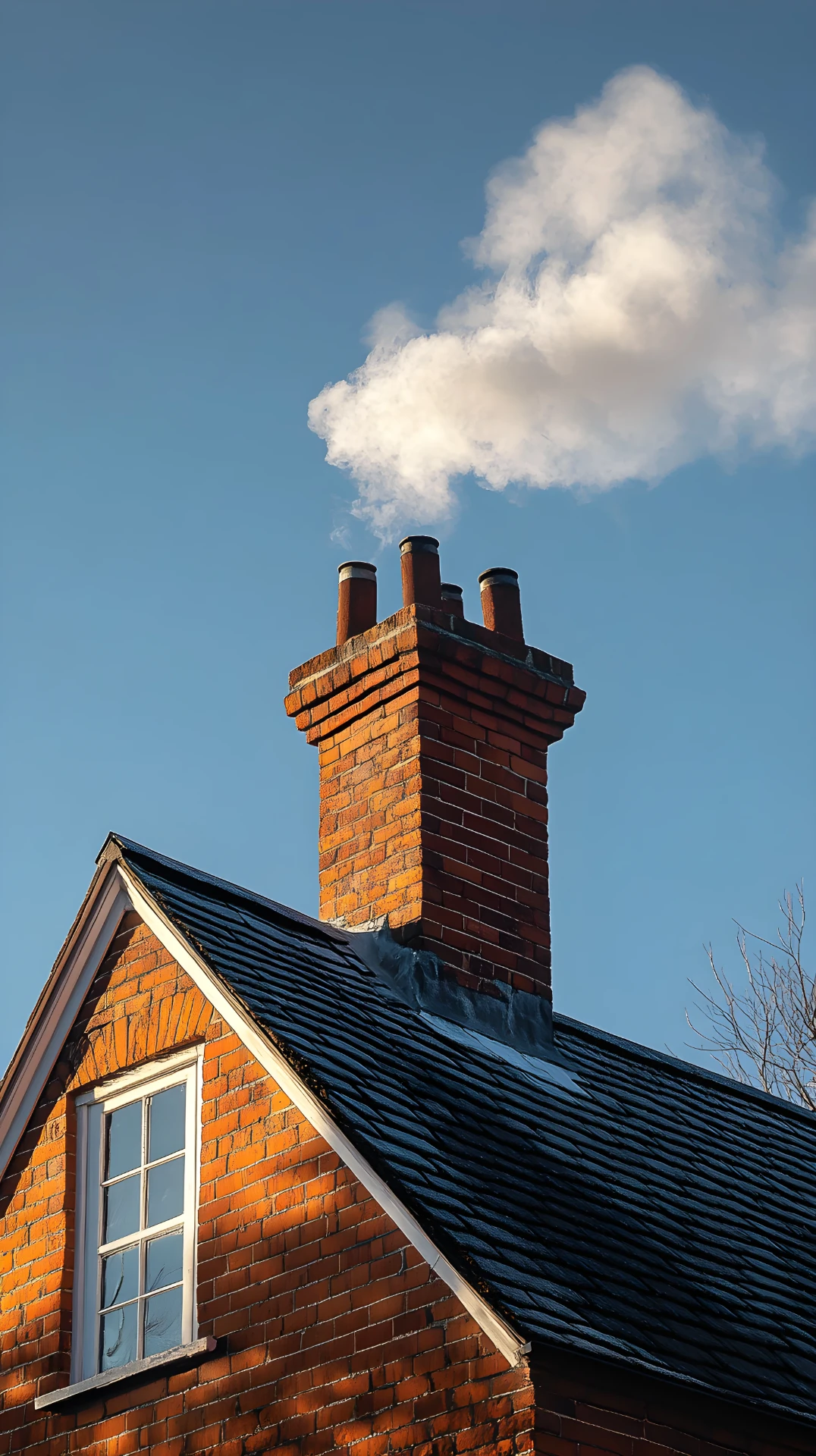
Removing the stack above roof level is the common option: the brickwork comes down to below the covering, the rafters are trimmed and supported where required, and the hole's closed with matching tiles or slates and new leadwork. From the street the roofline just reads as continuous.
Full removal through the building is a bigger job. Taking the breast out on any floor takes load off the structure, so the remaining brickwork needs supporting properly — gallows brackets or a beam, designed for the situation, with building control involved where it applies.
Making the roof good afterwards
This is the part that often gets rushed elsewhere. The infill has to match the surrounding covering, the battens and membrane need to run continuously through the opening, and the ventilation path mustn't be blocked by the patch. On a slate villa we salvage slate from the takedown so the repair blends in rather than standing out.
Terraces, semis and shared stacks
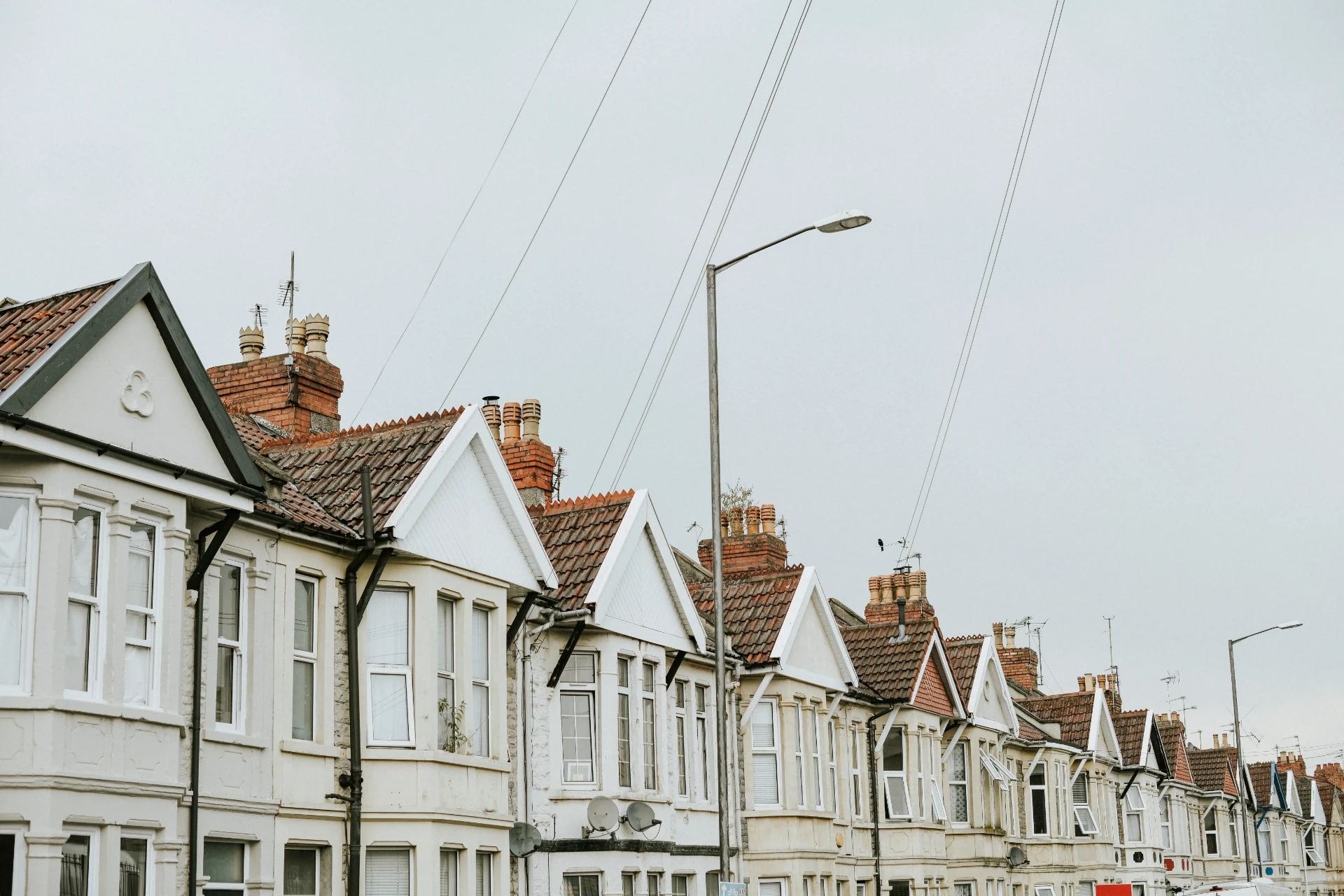
A great many Bournemouth stacks are shared on the party wall. That means your neighbour's flues, and their weathering, are part of the conversation before anything comes down. We'll tell you where a shared stack changes what's possible and what needs agreeing first.
Common questions
What homeowners in Bournemouth usually want to know about chimney removal.
Ask us anything