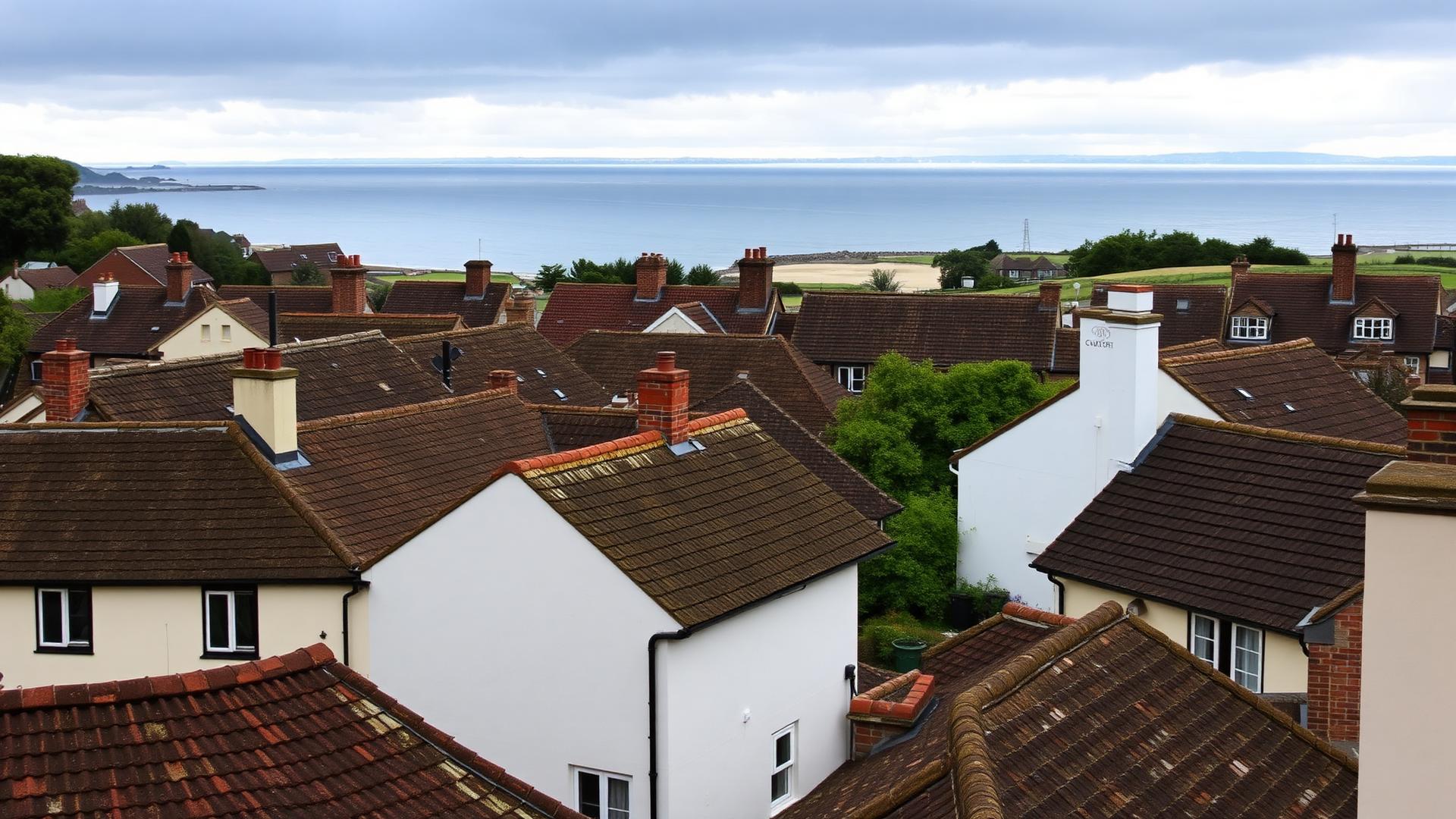
We strip spray foam out of Dorset lofts, expose the roof structure so it can actually be inspected, and leave the roof ventilating the way it was meant to.
How to tell what is actually in your Dorset loft
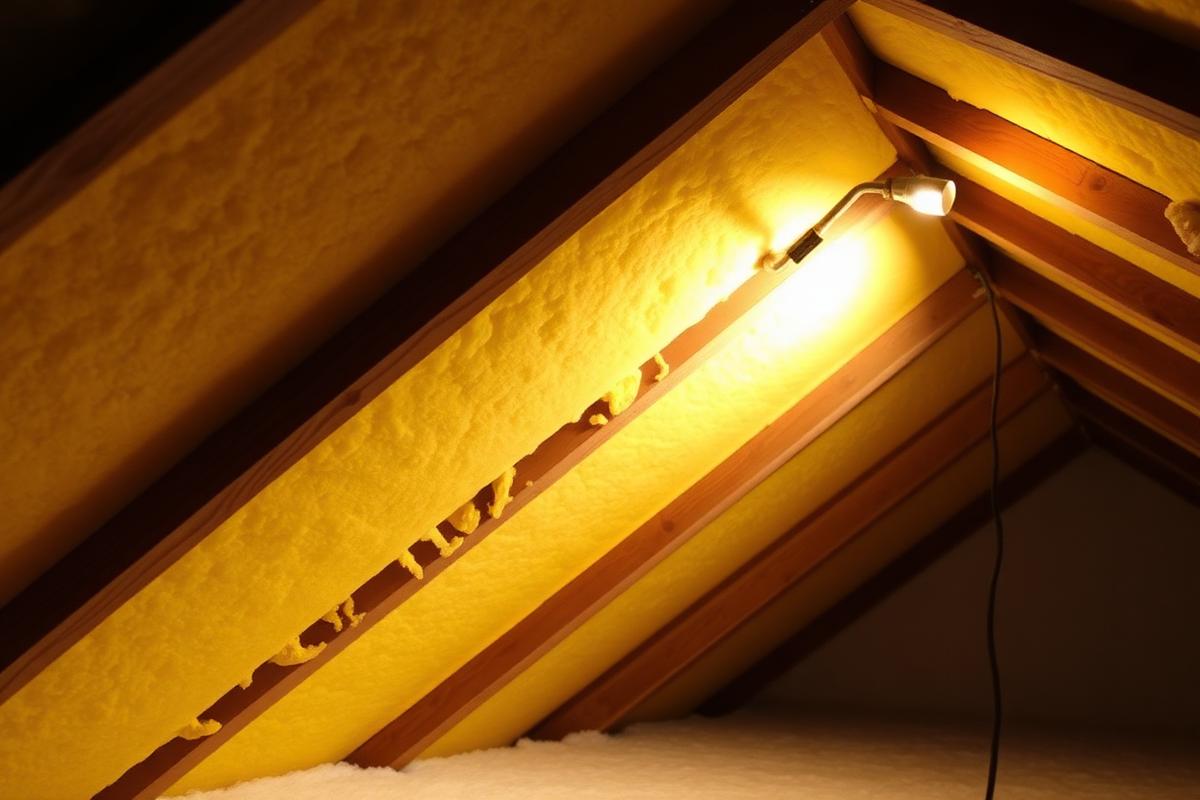
- A sprayed layer across the slope so no rafter or batten is visible
- Eaves gaps filled, so the airflow the roof was built around has gone
- Condensation on stored boxes, or a musty smell when the hatch opens
- Foam applied over old felt on a roof that was already past its best
- A surveyor, lender or equity release provider has put the objection in writing
Why it matters more on Dorset's older housing stock
Much of the county's housing predates modern underlay, so the felt beneath the foam is often bitumen that was already brittle by the time it got sprayed. Cover that with foam and two things happen at once: nobody can see the felt any more, and the moisture that used to escape through the eaves has nowhere left to go.
Timber that can't dry outwards stays damp. That's usually what's behind the decayed batten ends and soft rafter feet we most often find once we open up Dorset lofts.
- 1Spray foam bonded to the underlay, battens and rafters
- 2Eaves ventilation blocked
- 3Moisture held against the timber
- 4Rafters, battens and underlay cannot be inspected
How the strip-out runs, start to finish
We survey first, to work out the foam type and how much is bonded to timber. Then we protect the hatch, the access route and the rooms below, before any cutting starts.
The foam comes off the rafters, battens and felt, all of it leaves site, and we photograph the exposed structure before reopening ventilation at the eaves and reinstating insulation at ceiling level.
Loft survey
We check the foam type, thickness and how much timber is bonded, and price it from what's actually there.
Strip out
Foam cut back from the rafters, battens and underlay, with the loft and access route protected throughout.
Timber inspection
Once the structure's exposed, we photograph it so the roof can finally be properly assessed.
Reinstate
Waste removed, ventilation reopened at the eaves, and insulation put back at ceiling level.
Full strip, partial strip or leave it
Leaving it keeps the question open at future valuations. A partial strip may be the safest route on a fragile roof, though residue still hides part of the structure. Removal may restore access for inspection and allow ventilation details to be addressed, depending on the roof construction.
Leave it
Costs nothing today, but the roof stays hidden and any ventilation or inspection concerns remain to be assessed.
Partial strip
Cheaper, and sometimes it's all that's possible on an awkward roof. Any residue left on the timber will still hide parts of the structure.
Full removal
Removal can expose the timber for inspection and allow ventilation details to be reviewed — and we photograph what was underneath.
Why lenders object to it
Foam applied to the underside of a roof hides the rafters, battens and underlay completely. A surveyor can't assess timber they can't see, and can't confirm whether the roof's sound. Faced with a risk they can't measure, many lenders simply decline rather than investigate further.
There's a real physical problem behind the paperwork too. Closed cell foam bonded directly to battens and felt blocks the ventilation path through the roof space. Warm moist air from the house reaches cold timber, condenses, and can't dry out — and on an older Dorset roof built to breathe, that's exactly the wrong condition to be in.
Open cell and closed cell behave differently
Open cell foam is softer and can often be cut and pulled away from the timber in larger sections, though there's always residue left behind that needs cleaning off mechanically.
Closed cell foam is rigid and grips hard. It has to be cut back and scraped from every rafter face, and there's a real risk of damaging battens or the underlay in the process. That's not a reason to leave it — it's a reason to have it removed by someone who works on roofs, not a general clearance crew.
How the removal works
- Loft inspection and a fixed written quotation before any work is booked
- Protection of the access route, boarding and the rooms below
- Cut-back and mechanical removal of foam from rafters, battens and underlay
- Full inspection of the exposed roof timbers, with photographs of anything found
- Removal and responsible disposal of all waste from site
- Reinstated ventilation, and a quotation for any felt, batten or timber repair the foam was hiding
What happens after the foam is gone
Once the roof's clear you can insulate it properly. On most Dorset houses, the sensible answer is quilt or board insulation at ceiling level with a ventilated cold loft above it — cheaper, inspectable, and entirely acceptable to lenders.
Where the loft's a habitable room, a properly detailed insulated rafter build-up with a maintained ventilation gap is the right way to go.
Common questions
What homeowners in Dorset usually want to know about spray foam insulation removal.
Ask us anything